Date: 18/03/26
Stars: 3
Ruth Ellis’s story doesn’t really need much dressing up. It’s already uncomfortable, already complicated, and already full of tension, which is probably why Ruth at the Wilton’s Music Hall pulls you in quite quickly. At the same time though, as it went on, I kept coming back to the same thought, which was that the material itself might actually have been even more effective as a straight play. The musical elements don’t derail it, but they do sometimes interrupt the natural rhythm of the drama just as things are starting to build.
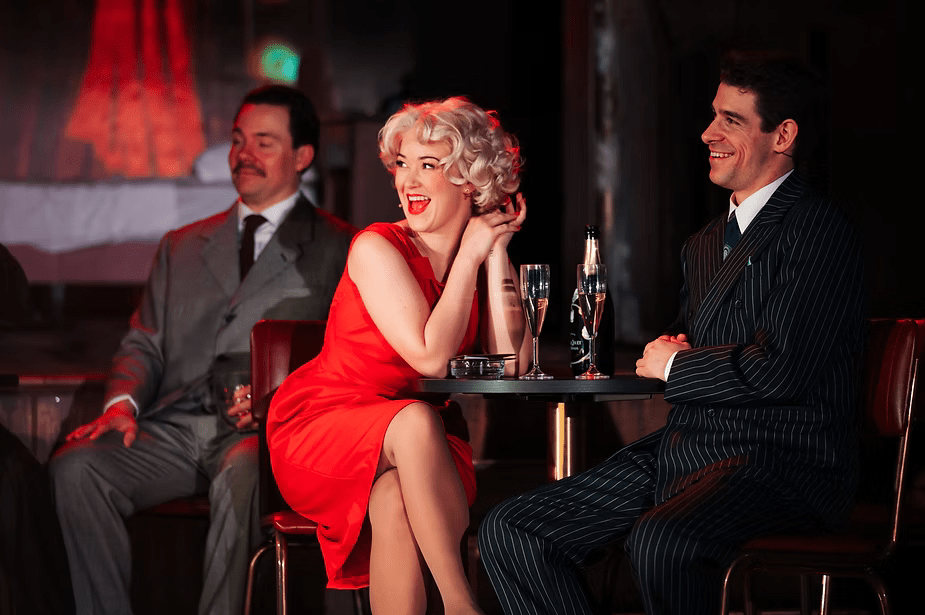
That said, there’s a lot to admire, and visually it’s very strong. David Howe’s lighting does a huge amount of the work here, shaping the mood and giving the whole piece that smoky, late-night feel that suits the story so well. There are moments where the stage looks genuinely striking. The costumes by Nicolai Hart-Hansen help too, grounding everything firmly in the 1950s without feeling overly stylised, and Ruth’s look in particular captures that polished nightclub image that contrasts with the emotional fragility underneath.
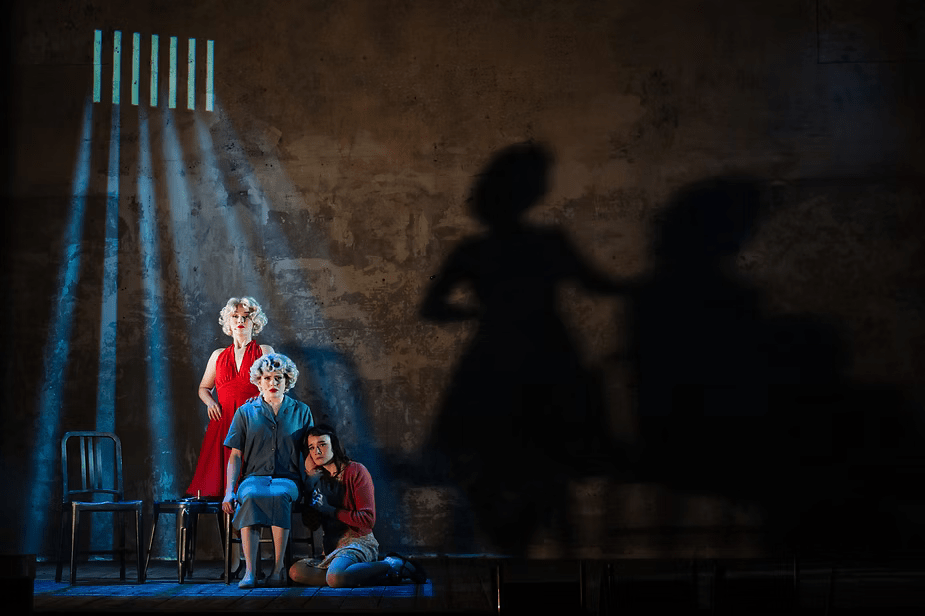
The performances are solid across the board. Bibi Simpson brings a controlled intensity to Ruth, while Hannah Traylen, who shares the role, leans into the vulnerability in a slightly different way, and the contrast between the two interpretations works well. Connor Payne as David Blakely gives the relationship its volatility, which is essential, while John Faal’s Desmond Cussen offers a calmer presence, and the wider ensemble help build the world around Ruth, whether in the nightclub scenes or the more tense moments as everything starts to unravel, and it all feels cohesive even when the staging remains fairly simple.
Where the production becomes more uneven is in the music. The score by John Cameron, Francis Rockliff and James Reader fits the tone, and the songs are well delivered, but they don’t always deepen the story, and some of the most gripping moments come when the characters are just talking, and the tension is build. When the music steps in, it sometimes softens that edge rather than sharpening it, and you keep thinking how powerful those scenes might have been if they’d just been left alone.
That’s why the final moment stands out so much. It’s genuinely shocking and handled with restraint, and it cuts through everything else – the whole auditorium seemed to gasp slightly when it happened, and it’s the kind of moment that reminds you how strong this story is at its core. A few more moments like that, earlier on, might have elevated the whole piece.
There’s a lot here that works, and it’s engaging throughout, but you do leave thinking that stripping it back and letting the drama speak for itself might have made it even more impactful.
 These Theatre Thoughts - Theatre Reviews & News
Leave a comment