Date: 29/04/26
Stars: 3
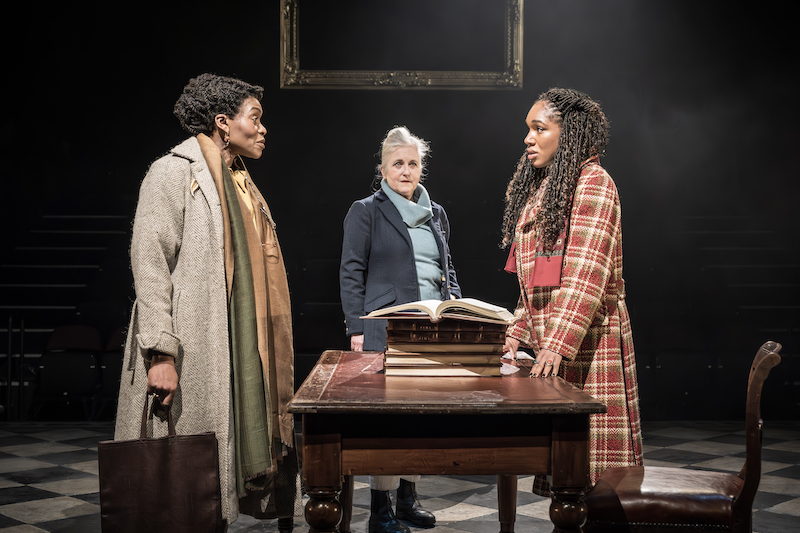
The Authenticator by Winsome Pinnock is set inside a decaying country house, now owned by Fenella. While sorting through the property, she uncovers a collection of diaries written by her ancestor, Henry Harford, detailing his time running a plantation in Jamaica. What stands out immediately is how the entries reduce enslaved people to little more than inventory, listed alongside livestock in cold, factual records.
To verify the documents, two academics are brought in. Abi and Marva both arrive with their own personal stakes, whether they admit it or not. Abi has a past connection to Fenella that complicates their dynamic, while Marva shares the Harford name and carries a long-held belief that her family’s history might run deeper than simple inheritance.
As the diaries are examined, the three women are forced into uncomfortable territory, questioning not just the documents but their own connections to them. The house itself begins to reveal more than expected, and with it, the possibility that their histories might be more closely linked than any of them had realised.
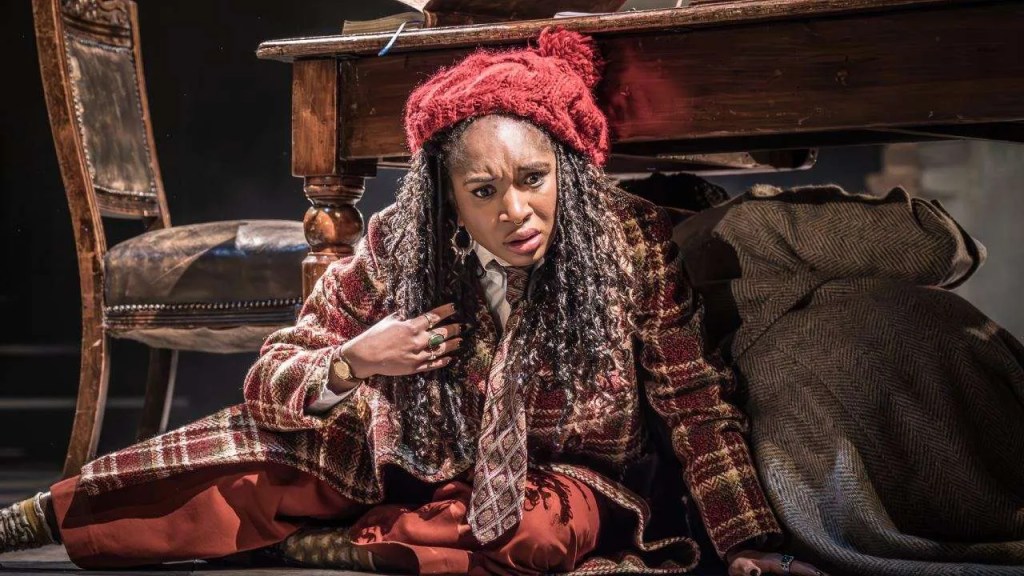
The set is the first thing you properly notice, and it might be the best thing about The Authenticator.
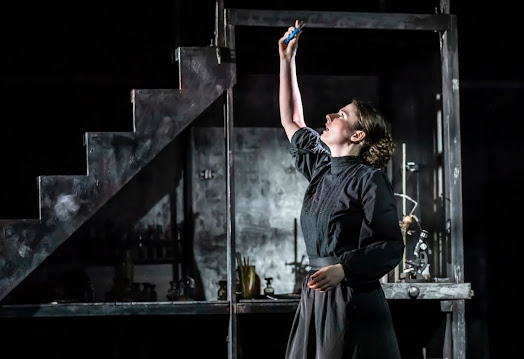
Designed by Jon Bausor, it’s all built around one main space, but it never stays still – floors open, sections rise and fall, rooms appear and disappear without ever fully breaking the flow. There’s a moment with the basement stairs where the actors walk down, but the stairs rise up to meet them, so they start and end in the same place. It’s simple when you think about it, but watching it happen feels a bit like a trick you can’t quite work out. That kind of detail runs all the way through it, and it keeps you watching even when other things start to get a little distracting.
The changes between scenes are handled well too – either you don’t see them at all, or they’re built into the movement, so nothing feels clunky or stops the momentum.
Where it becomes harder to pin down is the tone.
It moves between comedy and something much more serious, and I never quite worked out where it wanted to sit. There are moments that feel like they should be incredibly impacftul, particularly the bigger discoveries and reveals, but they’re often undercut by the way they’re staged. Fenella, played by Sylvestra Le Touzel, is dressed as a punk rocker for one of the key moments, drunk and reliving her youth, and then later in a version of Ghanaian dress to highlight a small percentage of African heritage. Both are played for humour, but they arrive at points where the play seems to be asking something more serious.
And it leaves you wondering what the intention is. Is it meant to soften her? Make her more human? Or does it pull focus away from what’s being uncovered? I couldn’t quite settle on an answer, and neither, it seemed, could the rest of the audience.
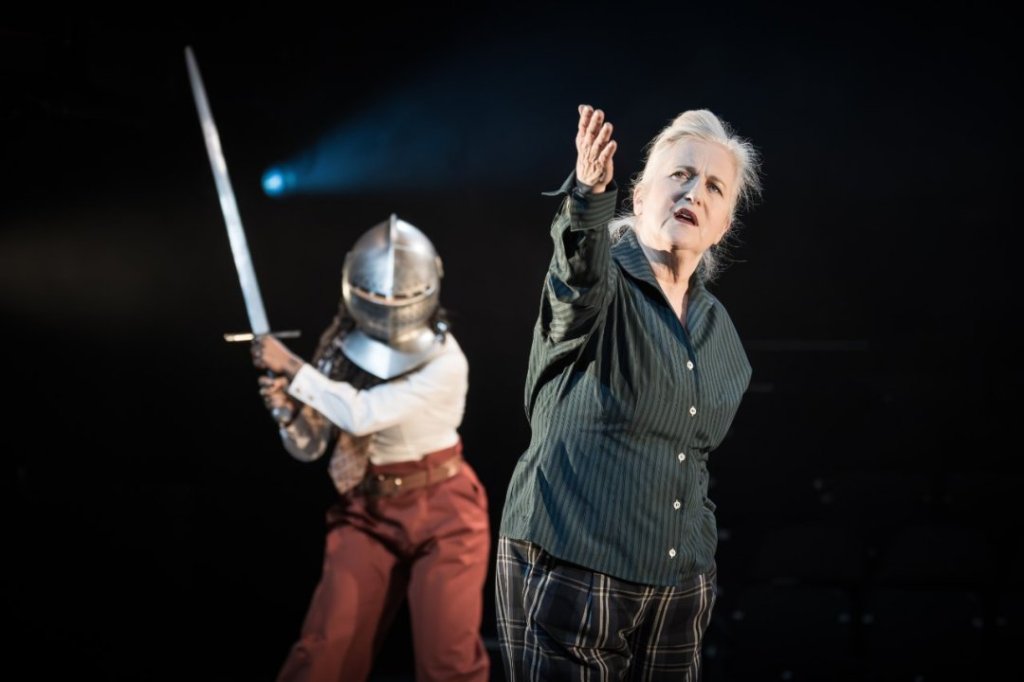
You could feel that in the room. Some laughs worked, some didn’t, and there were moments where it felt like people weren’t sure whether they should be laughing at all. And given the subject matter, slavery, legacy, and identity, that uncertainty becomes quite noticeable.
Structurally, it feels like it’s building towards something, with many threads running through it, little mysteries dropped in, and questions raised. The biggest one, around Marva’s grandfather and what actually happened to him, is introduced early enough that you expect it to pay off. And then it doesn’t. Or at least, not fully – we get close, something starts to emerge, and then the play ends.
That happens more than once. Ideas come in, take shape, and then drift away again. The story of the twins, for exmaple, appears and disappears in the same way, never really settling into the main narrative. It leaves you with the sense that there’s a lot here, but not enough time given to any one strand to let it deliver anything properly.
That said, the performances do a lot of the work in holding it together. Rakie Ayola and Cherrelle Skeete alongside Le Touzel are all completely watchable. Even when the story itself feels uneven, they keep you engaged, and it never feels like they’re unsure, even if the play occasionally is.
By the end, I was left a bit stuck. Not because there’s nothing in it, but quite the opposite. The ideas are strong, there’s a lot to think about, but it feels like they’ve been spread too thin. It might have worked better focusing in on one thread and really following it through, rather than trying to hold so many at once.
Instead, it leaves you with fragments. Interesting ones, but still fragments.
The Authenticator plays at the National’s Dorfman Theatre until 9th May 2026 and tickets are available here: https://www.nationaltheatre.org.uk/productions/the-authenticator/.


Leave a Reply